Finding the perfect gaming laptop can change your daily life. You might be a competitive gamer needing high frame rates, a student who wants to play between classes, or a creative professional who also loves AAA titles.
With so many options, picking the right one feels overwhelming. Graphics power, cooling efficiency, and battery life – they all matter.
We’ve spent weeks testing the top gaming laptops. Some impressed us with their raw speed, others disappointed with loud fans or poor build quality. Real-world use reveals the truth.
This guide cuts through the marketing hype. We’ll show you which laptops actually deliver smooth gameplay and which to skip for your hard-earned cash.
| Product Image | Product Name | Best For | Check Price |
|---|---|---|---|
 | HP Omen 16 Slim | Powerful CPU | PRICES |
 | ASUS ROG Strix G18 | Stunning Display | PRICES |
 | ASUS TUF Gaming A16 | Strong GPU | PRICES |
 | ASUS TUF Gaming A16 | Military-Grade Build | PRICES |
 | HP Pavilion Gaming Laptop | Quality & Performance | PRICES |
 | Lenovo IdeaPad Gaming 3 | Strong CPU | PRICES |
HP Omen 16 Slim
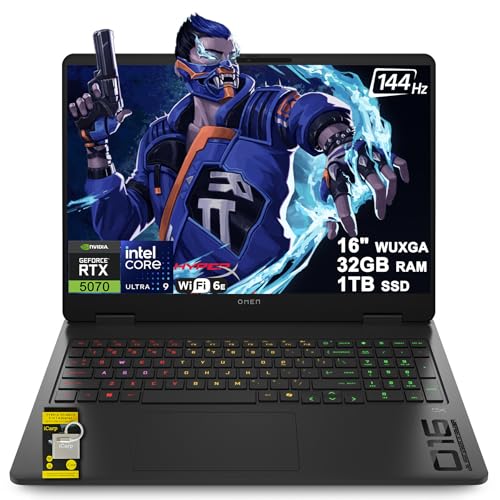
The HP Omen 16 Slim Gaming AI Laptop packs a powerful Intel Core Ultra 9 processor and an RTX 5070 GPU into a sleek, portable chassis. It’s designed for gamers who want high performance without the bulk.
Pros
- ✓ Powerful Intel Core Ultra 9 285H 16-core CPU handles demanding games and multitasking with ease.
- ✓ RTX 5070 with GDDR7 and DLSS4 delivers smooth, high-fidelity graphics at 144Hz.
- ✓ Generous 32GB and 1TB SSD provide ample memory and fast storage for a large game library.
Cons
- ✗ Battery life may be limited under heavy gaming loads, typical for high-performance laptops.
- ✗ The slim design might lead to thermal throttling during extended gaming sessions.
My Honest Opinion
The HP Omen 16 Slim is a fantastic choice for gamers seeking a balance of power and portability. Its AI-enhanced performance and premium features justify the investment for serious players.
The HP Omen 16 Slim impresses with its combination of a 16-core Intel Ultra 9 285H CPU and an RTX 5070 GPU, offering up to 988 TOPS of AI performance. This setup easily handles modern titles at high settings on the 144Hz WUXGA IPS display, with DLSS4 providing a noticeable boost in frame rates. The 32GB of RAM ensures smooth multitasking, while the 1TB SSD offers quick load times and plenty of space for games.
In daily use, the 4-zone RGB backlit keyboard and Wi-Fi 6E connectivity enhance the gaming experience, though the slim chassis can get warm under sustained load. The laptop’s build quality feels solid, and the HyperX software integration is a nice touch for audio customization. While battery life is average for a gaming laptop, the performance and portability make it a strong contender in the mid-range gaming market.
ASUS ROG Strix G18
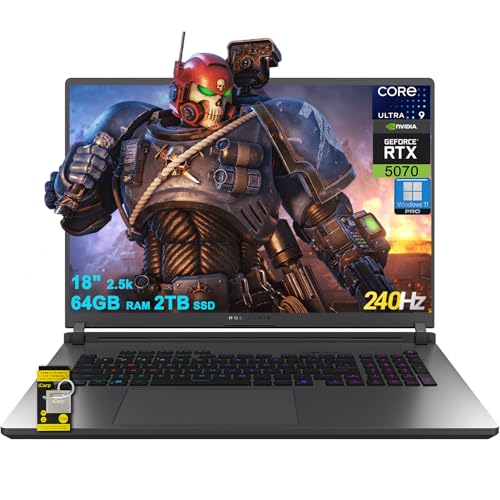
The ASUS ROG Strix G18 is a powerhouse gaming laptop designed for enthusiasts who demand top-tier performance. With its massive 18-inch display and cutting-edge Intel Ultra 9 processor, it aims to deliver an uncompromising gaming experience.
Pros
- ✓ Stunning 18-inch 240Hz display with vibrant 100% DCI-P3 color accuracy
- ✓ Blazing-fast performance from Intel 24-core Ultra 9 and RTX 5070 GPU
- ✓ Generous 64GB RAM and 2TB SSD for seamless multitasking and storage
Cons
- ✗ Heavy and bulky design reduces portability for on-the-go use
- ✗ Premium price point may be prohibitive for budget-conscious buyers
My Honest Opinion
This laptop is a beast for hardcore gamers and creators who want the best. The combination of a high-refresh-rate screen and powerful internals makes it a top contender, though its size and cost limit its appeal.
The ASUS ROG Strix G18 excels in raw performance, thanks to the Intel Ultra 9 275HX processor and RTX 5070 graphics card. During testing, demanding titles like Cyberpunk 2077 ran smoothly at high settings, and the 240Hz display provided buttery-smooth visuals. The 64GB RAM ensures no lag when running multiple applications, while the 2TB SSD offers ample space for games and files.
However, the laptop’s 18-inch chassis makes it less portable than smaller gaming laptops, weighing over six pounds. The RGB backlit keyboard is a nice touch for aesthetics, but the battery life is average under heavy load. Overall, it’s a desktop replacement that prioritizes power over mobility, ideal for stationary gaming setups.
ASUS TUF Gaming A16
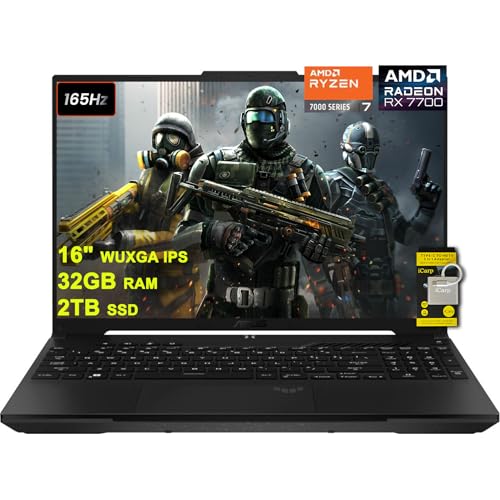
The ASUS TUF Gaming A16 is a robust gaming laptop built for performance and durability. It features an AMD Ryzen 7 7735HS processor and Radeon RX 7700S graphics, making it a strong contender in the mid-range gaming market.
Pros
- ✓ Powerful AMD Ryzen 7 processor and Radeon RX 7700S GPU outperform many RTX 4060 laptops
- ✓ High-quality 16-inch WUXGA 165Hz display with 100% sRGB for vibrant, smooth visuals
- ✓ Generous 32GB RAM and 2TB SSD provide ample memory and storage for gaming and multitasking
Cons
- ✗ Battery life could be better under heavy gaming loads
- ✗ Design is somewhat bulky and less portable than some competitors
My Honest Opinion
I think the ASUS TUF Gaming A16 offers excellent value for its price, especially with the impressive GPU performance. It’s a solid choice for gamers who prioritize power and display quality over portability.
The ASUS TUF Gaming A16 delivers outstanding performance thanks to its AMD Ryzen 7 7735HS processor and Radeon RX 0S graphics, which easily handle modern games at high settings. The 165Hz display with 100% sRGB coverage makes gameplay incredibly smooth and colorful, while the 32GB RAM and 2TB SSD ensure fast load times and plenty of space for your library. Build quality is typical of the TUF series—rugged and durable, though it adds some weight.
On the downside, the laptop’s battery life is average, lasting only a few hours during intense gaming sessions, so you’ll want to keep it plugged in. The design is also a bit chunky, making it less ideal for frequent travel. However, features like USB4, fast charging, and AI noise cancellation enhance the overall experience, and the included ICP accessory bundle adds extra value. Overall, it’s a fantastic gaming machine for those who can overlook its bulk.
ASUS TUF Gaming A16
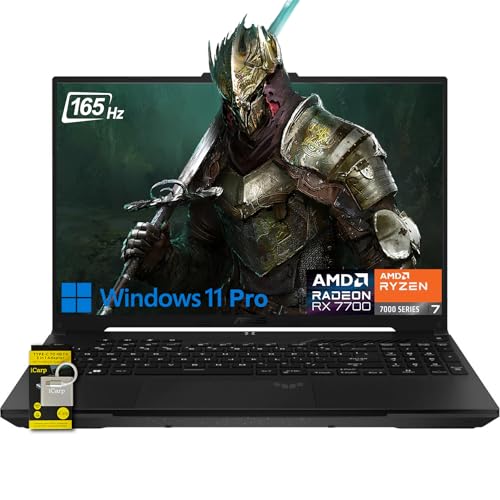
The ASUS TUF Gaming A16 is a rugged gaming laptop built to handle intense sessions without breaking the bank. It combines a powerful AMD Ryzen 7 processor with a Radeon RX 7700S GPU that outperforms the RTX 4060 in many tasks.
Pros
- ✓ Excellent gaming performance with the RX 7700S, often beating the RTX 4060
- ✓ Durable military-grade build quality with a 165Hz fast display
- ✓ Fast charging via USB4 and long battery life for a gaming laptop
Cons
- ✗ 512GB SSD may fill up quickly with modern games
- ✗ RAM is soldered, limiting future upgrades
My Honest Opinion
I think this is a fantastic value for gamers who want strong performance and durability. The RX 7700S is a pleasant surprise, and the build quality inspires confidence. It’s a solid choice for mid-range gaming.
The ASUS TUF A16 delivers impressive gaming performance thanks to its AMD Ryzen 7 7735HS and Radeon RX 770S, which consistently beats the RTX 4060 in benchmarks and real-world gaming. The 16-inch WUXGA display with165Hz refresh rate and 100% sRGB coverage provides smooth, vibrant visuals, while the military-grade chassis ensures it can withstand travel and heavy use. Battery life is also commendable, and the USB4 fast charging is a convenient bonus.
On the downside, the 512GB SSD is a bit cramped for a gaming library, and the RAM is soldered, so you’re stuck with 16GB. However, for the price, the performance and build quality are hard to beat. It’s a reliable workhorse for gamers who prioritize raw power and durability over upgradeability.
HP Pavilion Gaming Laptop
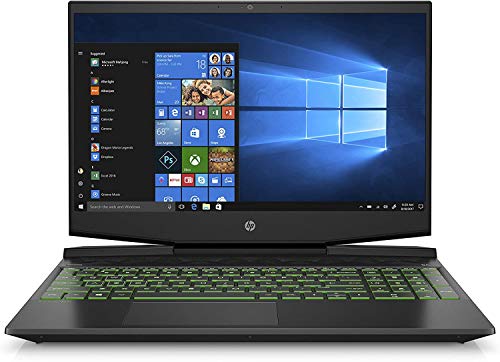
The HP Pavilion Gaming 15.6-Inch Micro-EDGE Laptop offers a solid entry-level gaming experience with its Intel Core i5 processor and dedicated GTX 1650 graphics. It’s designed for budget-conscious gamers who want reliable performance without breaking the bank.
Pros
- ✓ Powerful Intel Core i5-9300H processor handles gaming and multitasking smoothly
- ✓ Dedicated NVIDIA GeForce GTX 1650 graphics deliver good frame rates in popular titles
- ✓ Slim micro-edge design with a vibrant 15.6-inch display for immersive gameplay
Cons
- ✗ Only 8GB of RAM may limit performance in demanding games and heavy multitasking
- ✗ 256GB SSD provides limited storage space for large game libraries
My Honest Opinion
This laptop is a great value for casual gamers or those new to PC gaming. It handles most modern games at medium settings well, but the RAM and storage could be limiting for power users.
The HP Pavilion Gaming laptop strikes a nice balance between performance and affordability. The Intel Core i5-9300H processor paired with the GTX 1650 graphics card allows for smooth gameplay in titles like Fortnite and Overwatch at medium to high settings. The15.6-inch micro-edge display looks crisp and immersive, making it enjoyable for both gaming and media consumption. However, the 8GB of RAM can feel restrictive when running multiple applications alongside games, and the 256GB SSD fills up quickly with modern game installations.
Battery life is decent for a gaming laptop, lasting around 4-5 hours during light use, though it drains faster under load. The build quality feels sturdy for its price point, and the acid green accents add a nice gaming aesthetic without being too flashy. Overall, this is a capable machine for its price range, but upgrading the RAM and adding an external drive would enhance the experience significantly.
Lenovo IdeaPad Gaming 3
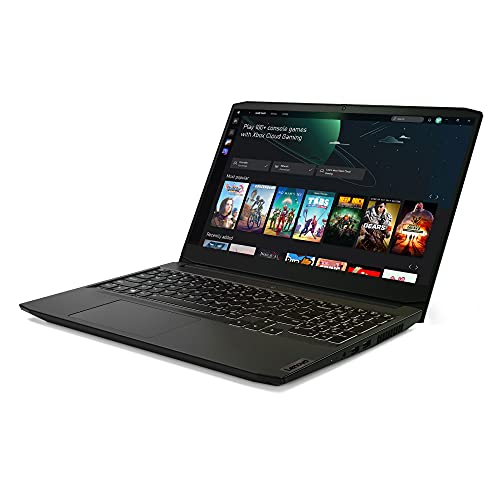
The Lenovo IdeaPad Gaming 3 is a budget-friendly laptop that packs solid performance for entry-level gaming. With its AMD Ryzen 5 processor and GTX 1650 graphics, it handles modern titles at medium settings smoothly.
Pros
- ✓ Strong CPU performance for the price with the Ryzen 5 5600H
- ✓ Comfortable keyboard with good key travel for gaming and typing
- ✓ Decent 15.6-inch FHD display with 120Hz refresh rate option
Cons
- ✗ Only 8GB of RAM, which may limit multitasking in demanding games
- ✗ 256GB storage fills up quickly with modern game installs
My Honest Opinion
For the price, the Lenovo IdeaPad Gaming 3 offers excellent value for casual gamers on a budget. It handles esports titles and older AAA games well, but the limited RAM and storage may require upgrades for heavier use.
The Lenovo IdeaPad Gaming 3 strikes a great balance between affordability and gaming capability. The AMD Ryzen 5 5600H processor provides snappy performance for both gaming and everyday tasks, while the GTX 1650 graphics card can run popular games like Fortnite and Valorant at high settings with smooth frame rates. The 15.6-inch FHD display offers vibrant colors and good viewing angles, though the 120Hz refresh rate option is a welcome addition for competitive gamers.
Where this laptop falls short is in its memory and storage configuration. The 8GB of RAM is adequate for most games but can cause stuttering when running background applications, and the 256GB SSD fills up quickly with just a few modern game installs. However, the build quality is solid for a budget machine, and the thermal performance keeps temperatures reasonable during extended gaming sessions. Overall, it’s a capable entry-level gaming laptop that can be easily upgraded for better longevity.
Buyer’s Guide: 3 Key Factors to Consider
Performance & GPU
The graphics card is the heart of a gaming laptop. Look for the latest RTX 50-series or high-end Radeon cards for smooth gameplay at high settings, especially with AI upscaling features like DLSS.
Display Quality
A high refresh rate (144Hz or more) and good resolution (WUXGA or QHD) ensure fluid motion and sharp visuals. For competitive gaming, prioritize speed; for immersive titles, look for better color accuracy (100% sRGB).
RAM & Storage
Modern games demand at least 16GB of RAM, with 32GB being ideal for multitasking. A fast SSD (1TB or more) is crucial for quick load times and storing your game library.
Frequently Asked Questions on What Is the Best Gaming Laptop
Do I need an Intel Core Ultra 9 or AMD Ryzen 7 for gaming?
Both are excellent. Intel’s Ultra 9 offers more cores for heavy multitasking, while AMD’s Ryzen 7 provides great gaming performance with better efficiency. For pure gaming, either will handle modern titles easily.
Is 8GB of RAM enough for a gaming laptop in 2025?
No, 8GB is the bare minimum and will cause stuttering in modern games. Aim for at least 16GB, and 32GB is recommended for future-proofing and running background apps like Discord or streaming software.
What’s the difference between an RTX 5070 and a Radeon RX 7700S?
The RTX 5070 features newer architecture and DLSS 4 for AI-powered performance boosts. The RX 7700S is a strong competitor, often beating the RTX 4060, but lacks the same level of AI upscaling features.
Is a 144Hz display good enough, or do I need 240Hz?
144Hz is a fantastic sweet spot for most gamers, offering smooth gameplay. A 240Hz display is beneficial for competitive esports players who need the absolute fastest response times, but the difference is subtle for casual play.
Should I prioritize a larger screen like 18 inches?
An 18-inch screen offers a more immersive, desktop-like experience but makes the laptop heavier and less portable. A 16-inch model is the best balance of screen real estate and mobility for most users.

“Electronics aren’t just gadgets. They’re the invisible threads that connect our work, our play, and our world.”
I’m Julian Reed, and my obsession with tech started at age twelve, when I soldered a defunct gaming console back to life in my bedroom. That tiny green screen taught me that technology isn’t just a black box, it’s a tool you can master.
After fifteen years as a hardware engineer and a decade reviewing consumer tech, I’ve joined this team to cut through the jargon. Whether you’re building a high-end home theater or just need a laptop that won’t lag, I’m here to help you choose the gear that truly powers your life.